Above tree line, nature operates on a razor's edge. What appears to be rugged, indestructible rock is often blanketed by fragile crusts of alpine lichen that took over three centuries to grow just two centimeters. Here is how modern mountaineers tread with imperceptible impact.
The Biology of Alpine Tundra Fragility
In low-elevation temperate forests, fallen leaves, moisture, and rich microbial soil digest biological waste within weeks. Soil bacteria actively cycle nutrients back into the root network. Once an explorer climbs beyond 3,200 meters into alpine tundra and scree basins, however, atmospheric conditions change drastically:
- Thermal Dormancy: Temperatures consistently plummet below freezing for 8 to 10 months of the year, halting microbial bacterial decomposition.
- Ultraviolet Radiation: Thin atmosphere allows intense solar radiation to sterilize beneficial organic soils.
- Micro-Topography: Alpine cushion plants survive gale-force winds by forming miniature aerodynamic domes that trap heat. Stepping on a cushion plant breaks its central taproot, causing wind scour that destroys the entire patch over subsequent winters.
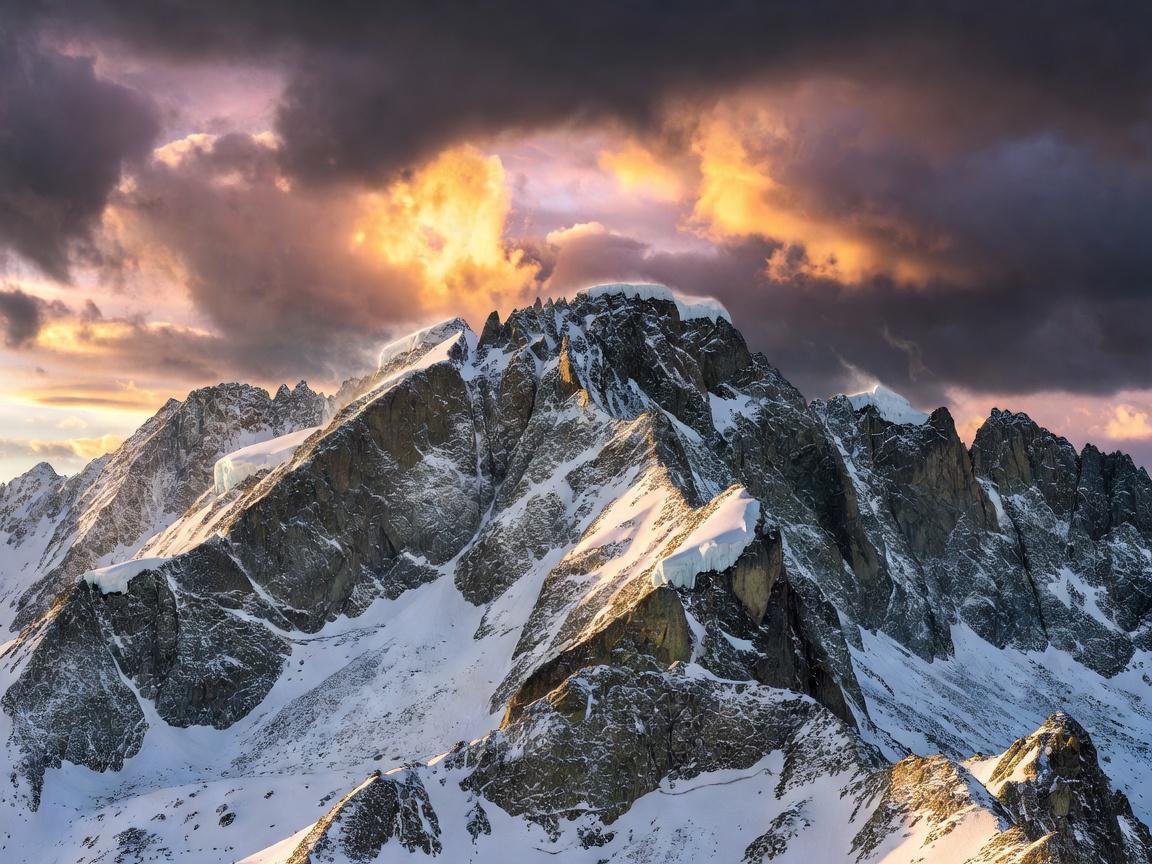
Pristine high-alpine ridges in the Southern Andes, where trail braided erosion takes decades to recover.